
Table of Contents
- Is Bulk Buying Worth It? Start With the Per-Unit Price
- The Hidden Costs Behind Bulk Buying Worth It Claims
- How to Use the Unit Price Calculation Formula
- Best Household Items to Buy in Bulk (And What to Skip)
- Why Bulk Buying Fails: Waste and Overconsumption
- How to Store Bulk Groceries to Prevent Spoilage
- Smart Bulk Shopping: A Simple Household Inventory System
- The Verdict: When Bulk Buying Is Worth It for You
- Frequently Asked Questions
Last Updated: September 7, 2026
Is Bulk Buying Worth It? Start With the Per-Unit Price
Bulk buying is purchasing larger quantities at a lower per-unit price, but whether it saves money depends on your household habits. Most shoppers assume the membership fee pays for itself through discounts, yet the math often tells a different story once you account for what actually gets consumed. Whether bulk buying is worth it depends on your household habits and consumption patterns.
The core concept that decides everything is the per-unit price, which is the cost divided by the number of units, such as cents per 100 grams or per sheet. Retailers display this on shelf labels specifically to help you compare package sizes against each other. When the per-unit cost of a 5-kilogram bag of rice is meaningfully lower than the 1-kilogram bag, the savings are real, but only if you will actually use all five kilograms before the product degrades.
The Hidden Costs Behind Bulk Buying Worth It Claims
The advertised price per unit rarely tells the whole story. Membership fees are a recurring expense spread across every trip, transportation costs rise when hauling heavier loads, and bulk packages require dedicated shelving, pantry room, or freezer capacity that many homes simply do not have.
The most significant hidden cost is food spoilage, which turns a bargain into a loss the moment items pass their shelf life. A household that throws away a portion of every bulk purchase has effectively paid more per item consumed than if they had bought smaller packages at the supermarket. Research on household food waste patterns from the European Commission's food waste prevention resources highlights how over-purchasing is a primary driver of waste in European homes.
How to Use the Unit Price Calculation Formula
The unit price calculation formula is straightforward: divide the total package price by the number of units it contains to find the true cost per unit. For example, a 2-kilogram bag of pasta at €3.00 costs €1.50 per kilogram, while a 500-gram box at €1.00 costs €2.00 per kilogram, making the bulk option the better value on paper. The formula works across all product types, whether you are comparing price per kilogram for rice, price per litre for detergent, or price per roll for paper towels.
| Comparison | Package Price | Size | Per-Unit Price | Verdict |
|---|---|---|---|---|
| Pasta bulk bag | €3.00 | 2 kg | €1.50 / kg | Better value |
| Pasta standard box | €1.00 | 0.5 kg | €2.00 / kg | Pricier per unit |
| Detergent bulk jug | €12.00 | 5 L | €2.40 / L | Better value |
| Detergent standard bottle | €4.50 | 1.5 L | €3.00 / L | Pricier per unit |
What most guides miss is that the formula only works when you add a third variable: your consumption rate. Calculate how many units your household uses in a typical month, then multiply the per-unit savings by that number to see the actual monthly benefit.
Best Household Items to Buy in Bulk (And What to Skip)
The best household items to buy in bulk are non-perishables with long shelf lives that your family consumes steadily and predictably. Staples like rice, pasta, canned tomatoes, toilet paper, laundry detergent, dish soap, and cleaning supplies deliver reliable savings because they store well and never go to waste in an average home. Personal care items such as shampoo and toothpaste also work well when you have stable preferences and adequate bathroom storage.
Products to skip include fresh produce, dairy, bread, and any item with a short shelf life unless you have a concrete plan for freezing or preserving it. Spices and cooking oils lose potency over time, so buying them in bulk often means sacrificing quality for a marginal discount. The same logic applies to snack foods, which tend to trigger overconsumption when a large package sits open in the cupboard, a pattern documented in consumer behavior research on portion size effects from the National Institutes of Health's research on food portion and consumption.
Why Bulk Buying Fails: Waste and Overconsumption
Bulk buying fails for most households not because the per-unit math is wrong, but because human behaviour intervenes. Two behavioural traps, food waste and overconsumption, quietly destroy the financial advantage, and both are rooted in predictable psychological triggers that most shopping guides ignore.
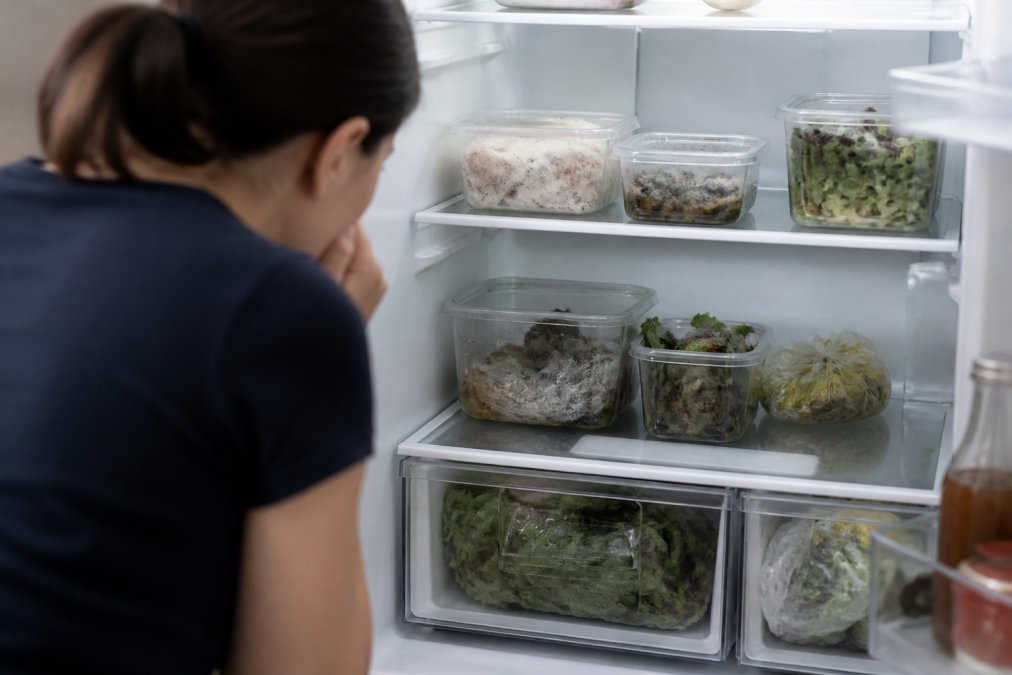
The first trigger is the stockpiling effect. When a large package sits in your pantry, it signals abundance, which subconsciously encourages more frequent use. A family that buys a 5-kilogram tub of yoghurt may serve larger portions than they would with a 500-gram container. The per-unit savings are then offset by using more of the product than you normally would, turning a discount into a net loss.
The second trigger is the deal mindset. Warehouse clubs activate a scarcity response, the belief that a low price is a limited opportunity you must seize. Shoppers justify a purchase with the logic, "It's such a good price per kilo," while ignoring that their household only uses 200 grams per month. The deal feels urgent, but the usage is not. The retailer profits from your impulse, not your need.
The third trigger is spoilage denial. Most people overestimate how much food they will actually eat, a cognitive bias known as the planning fallacy. When you buy a 10-kilogram bag of potatoes because the price is unbeatable, you imagine all the meals you will cook. You do not imagine the sprouting eyes in week three or the soft spots in week four. A common pattern is that households discard between 15% and 25% of perishable bulk purchases, according to food waste research from the European Commission's food waste prevention resources food.ec.europa.eu. That waste is not just lost food, it is lost money, plus the environmental cost of producing, transporting, and packaging goods that end up in landfill.
To break these patterns, before adding a bulk item to your trolley, ask yourself: How much of this did I use last month? Where will I store it? What is the exact date I expect to finish it? If you cannot answer all three with confidence, the deal is not for you.
How to Store Bulk Groceries to Prevent Spoilage
Proper storage is the difference between a bulk purchase that saves money and one that ends in the bin. Invest in airtight glass or heavy-duty plastic containers for dry goods like flour, sugar, and cereals, and label each container with the purchase date. Freezer space extends the life of meat, bread, and certain produce, portion items into meal-sized bags before freezing.
A common mistake is using containers that are too large, exposing the entire contents to air every time you open the lid. Keep a small daily-use container on the counter and store the remainder in a sealed bulk container in a cool, dark cupboard. For longer-term storage, vacuum sealing removes oxygen and dramatically slows degradation.
Smart Bulk Shopping: A Simple Household Inventory System
Smart bulk shopping requires a functioning inventory system, buying without knowing what you already own leads to duplicate purchases, expired products, and waste. This section gives you a framework that actually works.
The Four-Step Household Inventory Method
Step 1: Create a master list of your top 20 staples. These are items you buy at least once a month without fail, rice, pasta, canned tomatoes, toilet paper, laundry detergent, coffee, and so on. Write them on a whiteboard or in a dedicated note on your phone. Do not include seasonal or occasional items; the system only works for high-rotation products.
Step 2: Assign a par level to each item. A par level is the minimum quantity you want on hand before repurchasing. For example, your par level for toilet paper might be 12 rolls, for rice 2 kilograms, for dish soap 1 litre. When you reach your par level, add that item to your shopping list. This prevents buying a bulk package only to discover you already have three unopened bags.
Step 3: Track expiration dates with a simple rotation rule. Write the purchase date and "use by" date on the container with a permanent marker. Apply the first-in, first-out rule: place newer packages behind older ones. This is the same system commercial kitchens use and is the single most effective way to prevent spoilage. For frozen items, label each portion with the date it went into the freezer.
Step 4: Conduct a monthly 10-minute audit. Scan your pantry, freezer, and cleaning cupboard. Note any item approaching its expiration date and plan meals around it. Remove expired items and ask yourself: did I buy this in bulk and fail to use it? If yes, that item goes on your personal "do not bulk buy" list.
The Consumption Rule That Prevents Waste
A practical rule of thumb is to only buy a bulk size if your household uses at least half the package within its shelf life. For a 5-kilogram bag of rice with a 12-month shelf life, you need to use 2.5 kilograms in 12 months, roughly 200 grams per month, about one family meal per week. If you eat rice less often, the bulk bag is not worth it, even at a 30% discount.
Digital vs. Physical Inventory Tracking
You can run this system with a whiteboard and a marker, but digital tools add convenience. A shared shopping list app, such as AnyList or Bring!, allows every household member to add items when they hit par level. Some families use a spreadsheet with columns for item, par level, current quantity, and expiration date. The format matters less than consistency: the system only works if you update it every time you use the last of something.
The Unique Advantage of This System
What separates this framework from generic advice is that it moves the question from "Is bulk buying worth it?" to "How do I make it worth it?" A household that tracks par levels and expiration dates can safely buy in bulk without waste, because they know exactly what they own and what they will use. This is the difference between shopping like a warehouse club member and shopping like a professional kitchen manager.
The Verdict: When Bulk Buying Is Worth It for You
Bulk buying is worth it when you purchase non-perishable staples your household consumes at a steady rate, have adequate storage space, and can manage the upfront cash flow. The savings work in your favour when per-unit savings on items like rice, cleaning products, and toilet paper exceed membership fees and transportation costs. For families that cook regularly, the savings accumulate meaningfully across a year.
The honest answer is that bulk buying is not worth it for perishables, for households with limited storage, or for shoppers prone to impulse purchases. A bargain that rots in your pantry is not a bargain at all. Many frugal living advocates recommend a hybrid approach: buying only high-rotation non-perishables in bulk while purchasing fresh items in smaller quantities as needed.
Deciding whether bulk buying fits your household ultimately comes down to honest self-assessment of your consumption habits, storage capacity, and budget discipline. The per-unit math only works when your actual usage justifies the larger package, so start small, track what you consume, and scale up only for the items that prove their value. At lumex pro, we encourage thoughtful purchasing decisions that align with your lifestyle, and our curated collection of products designed for daily life focuses on quality and value for a seamless shopping experience. Get started with lumex pro and build a smarter, more intentional approach to every purchase you make.

Frequently Asked Questions
How do you calculate the unit price to see if bulk buying is cheaper?
Use the unit price calculation formula: divide the total price by the number of units (weight, volume, or count). For example, if a 5 kg bag of rice costs €10, the unit price is €2 per kg. Compare this to a 1 kg bag. If the smaller bag costs €2.50 per kg, the bulk option saves €0.50 per kg. Always check the unit pricing label on the shelf to make a quick comparison before committing.
What are the hidden costs of buying in bulk?
The main hidden cost is waste. If you cannot use items before they spoil, you lose the savings. Other costs include the initial cash outlay, which can strain your monthly budget, and the need for adequate storage space like shelves, freezers, or containers. Transportation is another factor if you drive to a wholesale club. Finally, bulk shopping can trigger impulse purchases, adding items to your trolley that you did not plan for.
Which household items are actually worth buying in bulk?
The best household items to buy in bulk are non-perishables you use weekly. This includes toilet paper, paper towels, toothpaste, soap, and cleaning supplies. In the pantry, buy rice, pasta, canned goods, coffee, and spices in larger quantities. For these items, the shelf life is long, and the per-unit savings add up. Avoid buying perishables like fresh produce, dairy, and bread in bulk unless you have a plan to freeze them.
Does bulk buying lead to more food waste?
Yes, it can. Studies and common experience show that buying larger quantities often leads to overconsumption and spoilage. When you have a 5 kg bag of apples, you might eat more, but some may still go bad. The key is to only buy bulk perishables you can store properly or freeze. Track what your household actually consumes in a week before committing to a large purchase to avoid waste.